
What is PIE?
Strategic aim
The main focus is on cooperation in post-secondary education, in scientific and applied research and knowledge development, and in innovation through knowledge application. Cooperation aims to contribute to the knowledge capacity of partner institutes in the Global South by targeting human resources development and institutional strengthening.
The platform strives for a substantive contribution from the Netherlands to global sustainable development through international knowledge cooperation. At the same time this will enhance knowledge development on and learning about global challenges in the Netherlands, which PIE members perceive as of crucial importance for an open knowledge economy like the Netherlands.
Board members
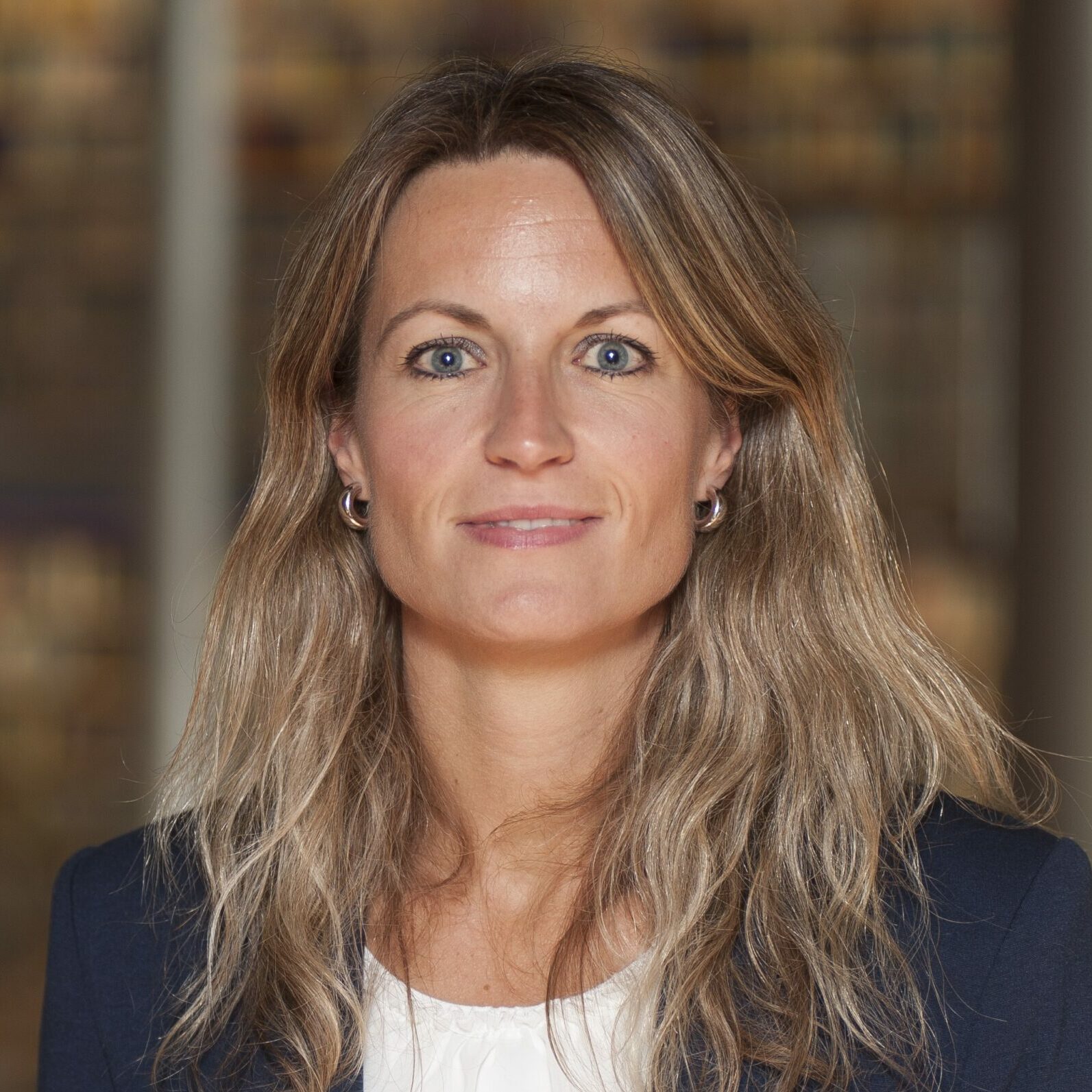
Claire Hallewas
Claire Hallewas is the Managing Director of TU Delft | Global Initiative, the platform for science & technology for global development at TU Delft. Before she joined TU Delft in 2013, she lived and worked for several years in Jakarta, Indonesia, and in Brussels, Belgium, where she was involved in various projects in development cooperation.
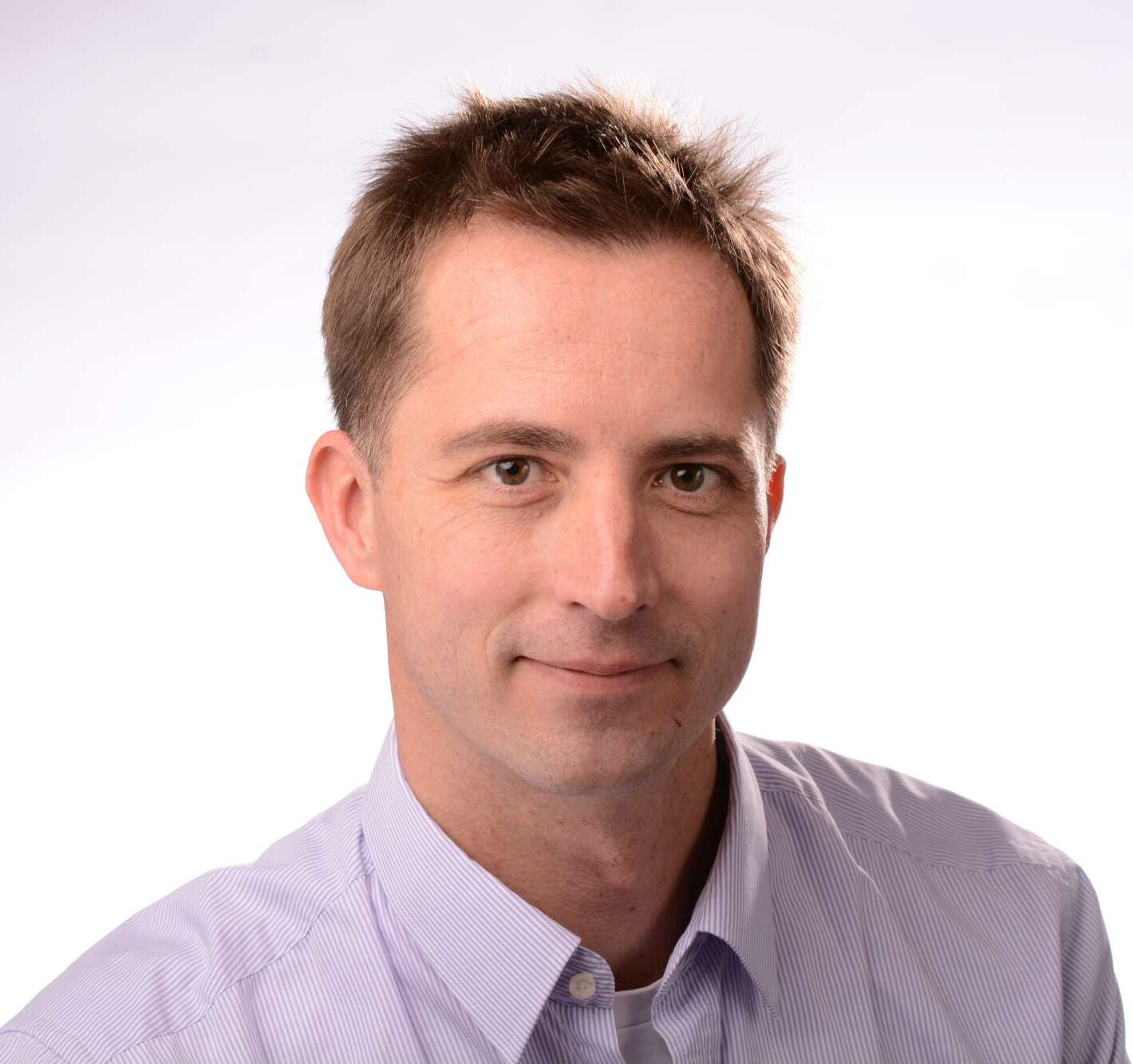
Jelle Ferwerda
Jelle Ferwerda works at the faculty of Geo-Information Science and Earth Observation (ITC) of the University of Twente. He has extensive experience in internationalisation at home as well as international partnerships. He has worked as an academic in multiple countries in the area of spatial sciences for natural resources management.

Carel Jaspers
Carel Jaspers is the director and shareholder of Q-Point, a consultancy firm specializing in quality management, food safety and value chain management. He has extensive expertise in international strategy development, business development and value chain collaboration.

Sandra Adriaansens
Sandra Adriaansens, Dutch, is a seasoned expert in Vocational Education and Training (VET) and Higher Education reform, with deep specialization in private sector engagement, digital education, and pedagogical innovation. Her expertise spans the design and implementation of labour market-responsive programs, with a strong focus on forging public-private partnerships (PPPs) and advancing inclusive, skills-based training in both local and international contexts.
Jaap Evers
Jaap Evers works at IHE Delft Institute for Water Education as Senior lecturer in Water and Environmental Policy as a member of the Water Governance department. He is also the co-programme coordinator of the MSc Water and Sustainable Development.

Esther den Hartog
Esther works as a Senior Advisor Institutional Development at the Centre for International Cooperation (CIS) at the Vrije Universiteit Amsterdam. She is passionate about supporting people, teams, and organizations in their development – with a focus on personal leadership, collaboration, and sustainable change.
Advisory Board
Members:
- Bart Pierik, Director International Strategy Universities of the Netherlands
- Emiel de Groot, Vereniging Hogescholen
- Dr Eric Beerkens, Head of International Programmes NWO
- Dr Sara Kinsbergen, Professor Radboud University & Commission Development Cooperation AIV
Main image: TMT Mozambique project. Photo © ISS